Dream About Serious Illness Meaning
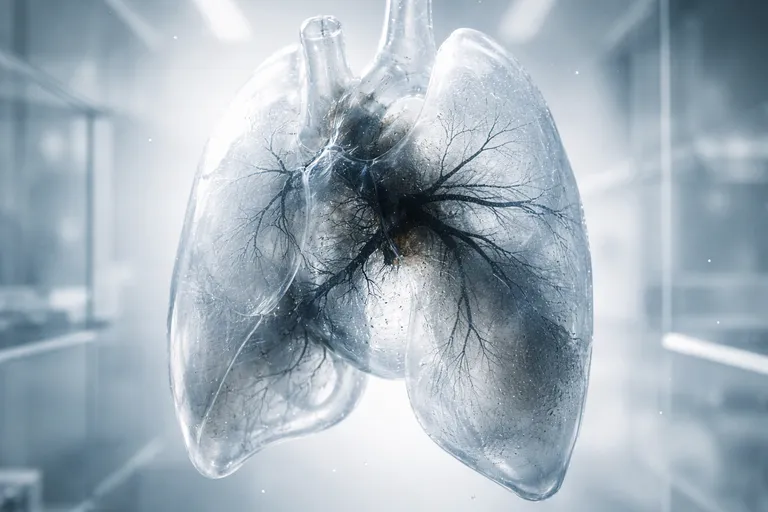
The dream doesn’t give you a diagnosis. It gives you the feeling of one.
That distinction matters. There’s no specific disease, no name written on a chart. What the dream delivers is the particular weight of something that can’t be managed by waiting. Something systemic. Something that has changed the fundamental terms of your situation — not temporarily, not in a way that treatment can undo. Just: the way things are now is different from the way they were, and the person you were before this doesn’t fully exist anymore.
I’ve thought about why this dream arrives the way it does — not as pain or emergency, but as a quiet, heavy certainty. What I’ve come to understand is that serious illness in a dream is almost never about your body. It’s about the specific quality of something in your life becoming irreversible. A relationship crossing a threshold it can’t come back from. A path closing. A version of yourself that you’ve been protecting turning out to be already gone. The dream reaches for illness as its image because illness, in the serious sense, is the human mind’s clearest symbol for: this cannot simply be waited out.
The dream isn’t predicting. It’s naming something you already know.
Quick Answer
- A dream about serious illness means something in your waking life has reached a point where it cannot be resolved through patience or normal management — something has fundamentally changed.
- The illness almost never refers to your physical health — it’s about a situation that feels systemic and permanent.
- The absence of a specific diagnosis in the dream is part of the message: the feeling of illness is the content, not a medical condition.
- If you received the news calmly in the dream, part of you has already been living with this knowledge for a while.
- Recurring versions mean the underlying situation is still in the same state — something that can’t be treated continues to be untreated.
Common Scenarios
- Receiving a diagnosis you already knew was coming → what the dream is naming has been sensed for longer than you’ve admitted
- Being ill but not knowing what the illness is → the damage is systemic but still without a name you’re willing to say out loud
- Watching someone else receive a serious diagnosis → something in a relationship or shared situation has crossed a permanent threshold
- Being ill and trying to hide it → you’re managing the appearance of things while something underneath has fundamentally changed
- The illness resolves in the dream → the mind rehearsing a resolution that hasn’t happened in waking life
What Your Body Already Knows
- Woke up with a heavy stillness, not fear → the dream registered finality, not threat
- Something specific came to mind before you were fully awake → the dream already had an address
- Felt the weight of something permanent → not anxiety about what might happen — grief about what has
- Calm after waking, which was its own kind of wrong → some part of you has been living with this longer than you’ve been saying
What Serious Illness Represents in a Dream
Not every sickness dream is the same.
Dreams about body and health cover a wide range — from the temporary disruption of something going wrong to the more complex experience of something changing the body’s relationship with its own future. Being sick in a dream is usually about disruption. Serious illness is about something different: the feeling that the baseline has changed permanently.
What the dream reaches for when it generates serious illness is specifically the quality of irreversibility. Something that cannot be returned to its previous state by rest, or time, or the right decision made at the right moment. The person who had the diagnosis is not the same person as the person who walked into the room without it. The dream is using illness as the most precise image it has for: something in your life has crossed that kind of threshold.
The room is familiar but wrong — the proportions of it slightly off, the light coming from somewhere it shouldn’t. Someone tells you something. Not with words exactly — with a change in the quality of the air. You understand before they finish. You understood before they started. And the specific weight of understanding, before it becomes grief, before it becomes anything you can name — that’s the part that stays after you wake.
When the Illness Has No Name
Most people expect the dream to be more specific. A disease, a location, a prognosis. Instead: just the weight of something wrong without a clinical label.
This is the most accurate version. The mind is representing a situation in your waking life that you’ve been sensing without naming. Something feels terminally off in a relationship, in a trajectory, in a version of yourself you’ve been maintaining — but you haven’t said the words out loud yet, haven’t attached the specific diagnosis to the specific situation.
The unnamed illness is the feeling of knowing before you’re ready to know.
I had this dream during a period when something I’d built — a professional situation I’d invested years in — had stopped being what I’d understood it to be. I hadn’t named that yet. I hadn’t been willing to. The dream gave me the weight of it, stripped of everything but the feeling, before I’d found the language for it in waking life.
You’re in a room where people around you seem to know what’s wrong. You don’t have access to the chart, the scan, the specific word. Just the quality of how people look at you when they think you’re not watching — a gentleness that arrives only when something can’t be changed.
When You Already Knew Before the Dream
Some versions of this dream come not as revelation but as confirmation.
The news in the dream doesn’t shock you. You receive it with a flatness that would be inappropriate in any other context. Because somewhere in you, the knowledge was already there. The dream isn’t introducing information — it’s making you sit with information you’ve been managing at arm’s length.
That specific quality — already knowing, finally hearing — is the mind’s way of processing something that has been understood below the surface before the waking mind was ready to acknowledge it formally. The dream is the moment the knowledge stops being deniable and starts being something you have to relate to directly.
The same architecture runs through the experience of carrying something you sense but haven’t yet admitted — the gap between knowing and naming, between feeling and being willing to say what you feel.
You’re not surprised. That’s the part that’s strange. You thought you would be. But when the moment comes, there’s just a kind of recognition — the collapse of the distance you’d been maintaining between what you suspected and what you let yourself believe. The dream doesn’t tell you anything new. It just closes that distance.
When the Illness Is Someone Close to You
The dream places someone else in the position of the ill person. You’re the one receiving the information, not the patient.
This version is about a relationship or a shared situation that has changed in a way that the other person may not have acknowledged yet — or may already know and not have said. Something between you has crossed a threshold. The version of what you shared, or what you were to each other, is undergoing something that changes its fundamental nature.
The grief in this dream isn’t always about the relationship ending. It’s sometimes about the end of a version of the relationship — a dynamic that had been stable, a role that had been clear, a way of being with someone that was familiar and is now something else.
They’re the one in the room, not you. But you’re the one who feels it — the specific weight of something being confirmed about someone you’re close to. You want to change the situation. The dream doesn’t give you that option. It just gives you the knowledge, and the question of what you do with it.
When This Dream Arrives
- First time → something in your waking life has crossed from “difficult situation” to “fundamentally changed situation” and the mind is naming it
- Keeps recurring → the underlying situation is still the same; the irreversibility hasn’t been fully processed or addressed
- Appeared after a specific event → that event was when something became permanent; the dream is processing the moment things changed
Why This Dream Happens — The Psychology Behind It
The human brain processes irreversibility differently from manageable difficulty. Challenges, setbacks, problems — these activate problem-solving systems. The mind runs scenarios, evaluates options, looks for paths through.
Irreversible change activates a different system entirely: grief processing. When something cannot be returned to its previous state, the mind has to reorganize around the new reality. The old self-concept, the old relationship to the future, the old understanding of what was possible — all of these require updating. That update is the work of grief.
Serious illness in the dream is the mind’s most direct symbol for that kind of change. Not a problem to be solved. A reality to be processed. The dream generates this image when the waking mind has encountered something irreversible and hasn’t yet fully begun the work of reorganizing around it. The dream forces the encounter.
The Sentence This Dream Was Trying to Say
“Something has changed in a way I can’t treat my way out of — and I’ve been pretending otherwise.”
The Morning After
The weight of it is still there. Not fear. Something more specific and harder to argue with.
Don’t reach for reasons it might not be as serious as it felt. The dream was accurate about the quality of something, even if the image was metaphorical.
What in your waking life has changed in a way that’s permanent — and what are you still treating as temporary?
FAQ
What does a dream about serious illness mean? It means something in your waking life has crossed from a manageable difficulty into something that has fundamentally and permanently changed. The illness is the mind’s image for irreversibility — not a medical prediction, but a psychological accuracy about something that cannot be resolved by waiting or treated back into its previous state. The dream appears when the waking mind has been maintaining a distance between what it senses and what it’s willing to acknowledge.
Why doesn’t the illness in the dream have a specific name? Because the situation in waking life doesn’t have a name yet either. The unnamed illness is the most honest representation of something you’ve been feeling without being ready to articulate. The dream gives you the weight of the knowledge before you have the language for it. When you find the language — when you name what’s actually changed in your life — the illness in the dream often becomes more specific, or stops appearing altogether.
Why does this dream keep coming back? Because the underlying situation is still the same — something irreversible that hasn’t been fully processed or addressed. Recurring serious illness dreams don’t return because you failed to understand the first one. They return because the thing that generated them hasn’t changed: something in your waking life is still in the state of being permanently altered without the processing that permanent alteration requires.
Next Stages
If the illness in the dream was about something that had already ended — if what felt terminal was something already over rather than still in progress → dream about death of a loved one meaning — when the permanence is grief rather than just change
If the illness was in your body but the feeling was about control — about not being able to stop what was happening to you → dream about not being able to move meaning — when the serious situation removes agency completely
If the dream took you to a medical setting rather than just giving you the knowledge → dream about being in emergency room meaning — when the crisis enters the environment of urgent intervention