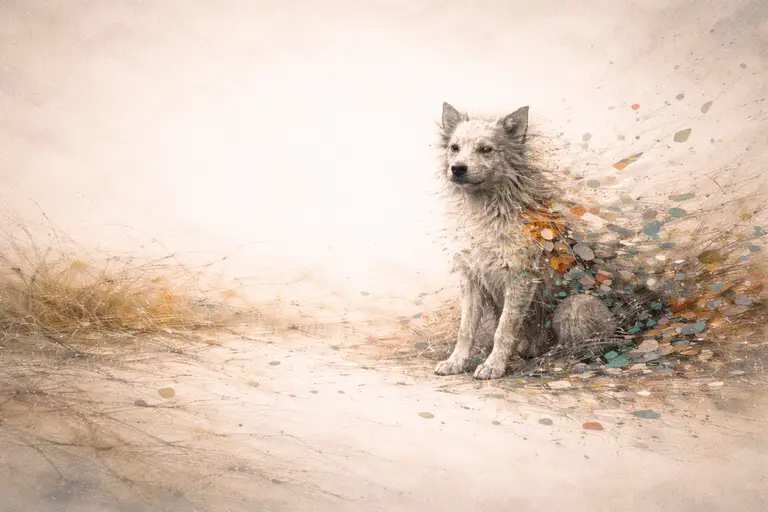
Dog Dreams & Meaning

The dog in your dream wasn’t a stranger.

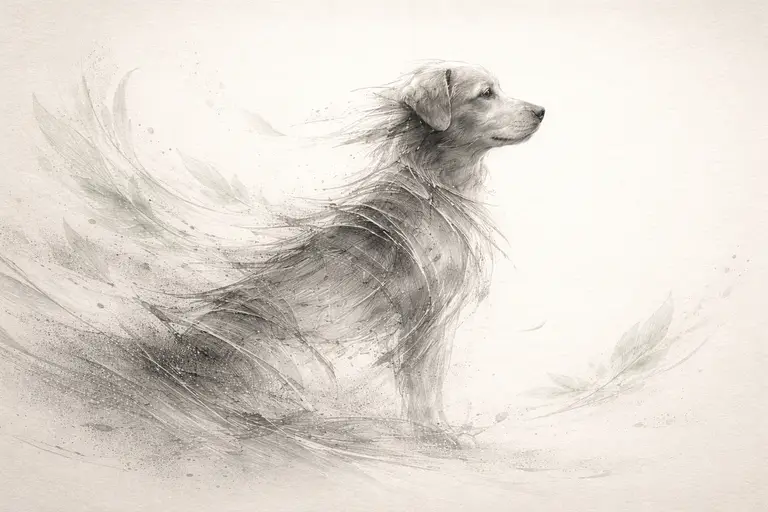
That’s the first thing to understand about this cluster — and the thing that separates it from almost every other animal dream. Snakes arrive with the quality of something unknown, something that occupies space you haven’t cleared. Dogs don’t work that way. The dog in your dream carries the specific weight of something familiar: trust, loyalty, the particular safety of a presence that was supposed to stay inside the perimeter.

Which is exactly why it’s so disorienting when the dream goes wrong.

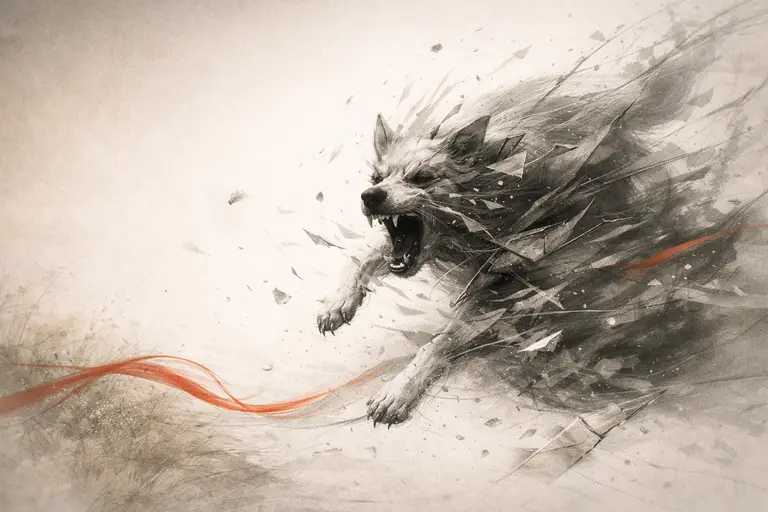
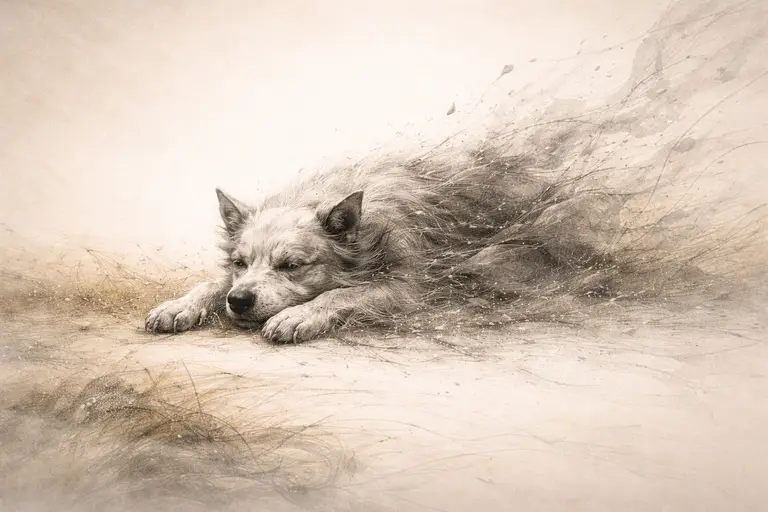
A dog attacking you isn’t a nightmare about an animal. It’s the specific shock of harm coming from inside — from something that knew where you kept your guard down, because it was never supposed to be a threat. A dog that’s sick or dying carries the feeling of watching something loyal deteriorate — the particular grief of losing dependability, not just a creature. A dog that’s lost and searching is about connection that became untethered. A black dog that simply stands there, watching, not threatening — that’s something else entirely: a weight with no clear address, a presence that doesn’t demand action but doesn’t leave either.

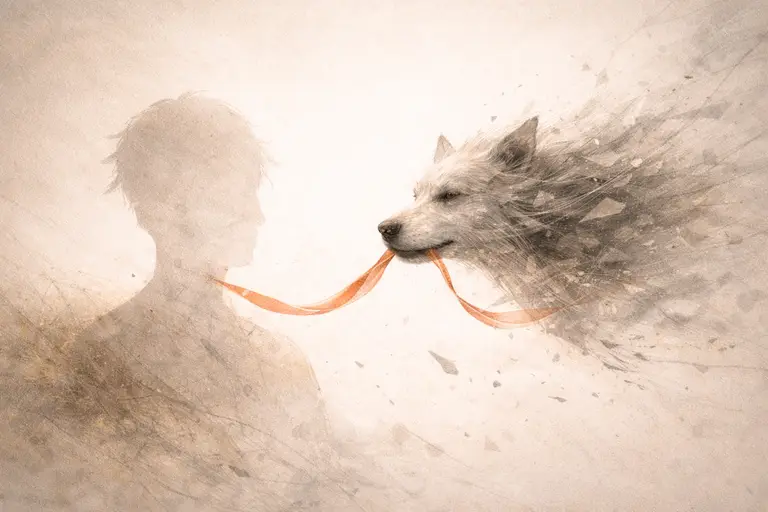
Dog dreams operate at the register of relationship. Not wild instinct — domesticated trust. The history between humans and dogs is long enough and specific enough that the brain uses them as the most precise image available for everything that lives in that territory: loyalty that holds, loyalty that breaks, protection, companionship, the feeling of being accompanied through something difficult.

Pay attention to what the dog was doing. Pay attention to whether you recognized it. Pay attention to whether it felt like yours.

Here: dogs attacking and dogs protecting, black dogs and white dogs, sick dogs and lost dogs, dogs that were once loyal and dogs that still are. Every variation of what trust looks like in a body — and what happens when that body acts against everything it was supposed to represent.