Dream About Death and Rebirth Meaning
Nobody dreams of death and wakes up fine.
Even when the dream is abstract — even when it’s symbolic, when nothing explicitly violent happened — there’s a quality to it that the waking mind has trouble metabolizing quickly. The body came back from somewhere. The eyes opened and the ceiling was there and the air was normal and for a moment, both things were simultaneously true: the ordinary morning and whatever the dream carried.
That gap — between the weight of the dream and the normalcy of the room — is itself a piece of information.
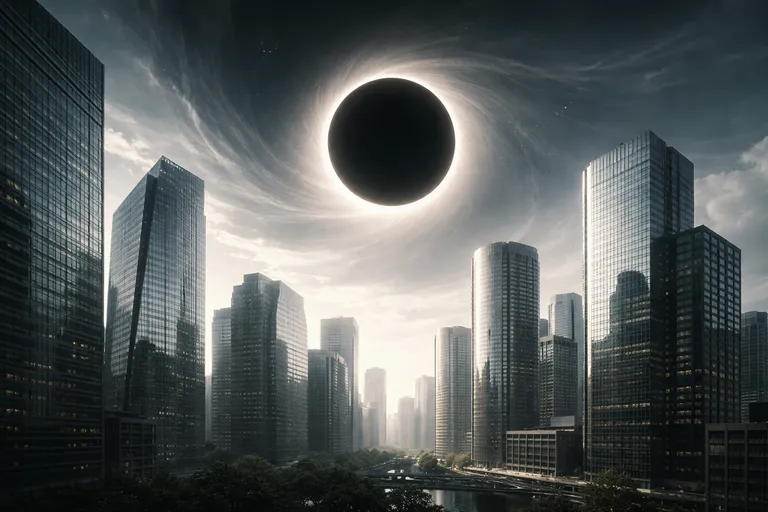
Death in dreams is almost never about death. This is the thing that takes the longest to actually accept, not just intellectually register. Every instinct says: death is the worst thing, so a dream about death is the worst kind of dream. But the mind doesn’t use death as an image for the worst thing. It uses death as an image for the most complete ending. The kind of ending that doesn’t leave the previous thing partially intact. The kind where whatever was there before is genuinely, structurally, irrevocably gone.
And that image — complete ending, nothing preserved — is what the mind reaches for when something in your life is in the process of becoming irreversible. Not bad. Not failed. Ended. Changed in a direction that has no reverse.
Rebirth is the other half, and it’s the half that doesn’t always arrive in the same dream. Sometimes the dream gives you both — the ending and the emergence of something new. Sometimes it only gives you one, and you wake up in the middle of the transition still not knowing what the other side looks like.
Both are right. Both are accurate to where you might actually be.
Quick Answer
- A dream about death and rebirth means something in your life is in the process of complete transformation — an ending so total that the previous version cannot continue, and a beginning that doesn’t exist yet in its final form.
- Death in dreams almost never refers to literal death. It refers to the most complete form of ending the mind can generate.
- Rebirth in dreams is almost never gentle. New things emerge from real endings, and real endings cost something.
- The combination — death and rebirth in the same dream — is the mind naming a transformation that is already happening, whether or not you’ve consciously named it.
- What died in the dream already has an address in your waking life. The dream didn’t introduce the ending. It confirmed it.
Common Scenarios
- Death without rebirth → you’re in the ending phase; the new thing hasn’t emerged yet, and the dream is accurate about where in the process you are
- Rebirth without clear death → something new is emerging without you having fully acknowledged what it requires to end
- Death of someone else who represents a part of you → the transformation is of a specific aspect of your identity, not the whole
- Death that doesn’t feel like tragedy → the ending has completed something; the feeling after is closer to release than grief
- Watching someone else die and be reborn → the transformation is being observed rather than directly experienced — perhaps in someone close to you, perhaps in a version of your life that you’re watching change
What the Body Registered
- Woke up with the quality of having been somewhere else completely — not just a dream but a passage → the experience had the weight of something real
- Something that has been building in your waking life was already identifiable before the analysis began → the dream knew what it was about before you did
- The feeling after waking wasn’t the fear of the death — it was the strangeness of still being here → the continuation after an ending is its own disorientation
- The heaviness, or the lightness, depending on the version → the body knows which direction this is going
What Death Does in Dreams That Nothing Else Can
Every other difficult image the dream system uses preserves something of the previous state.
Injury leaves the body intact, just compromised. Loss takes something away, but what remains is still there. Failure leaves the person standing. Even catastrophe in a dream usually preserves the person who is experiencing it.
Death is different. Death is the complete cessation of the previous form. Nothing of the previous arrangement continues into the state that follows it. There is an ending, and then there is what comes after the ending, and the two states are not continuous with each other.
This is why the mind reaches for death when it needs to represent certain kinds of transformation — the ones that are genuinely, structurally complete. Not a change in the situation. A change in the nature of the entity that was in the situation. The person who comes out of a real transformation is not the same person who went in, in the way that matters most. Not in terms of memory or personality or identity in the ordinary sense. In terms of the psychological structure they’re operating from. The previous form had a specific architecture. That architecture is what ends in a death dream. What replaces it hasn’t been fully constructed yet.
Dreams about life changes process transitions and major events through the experience of someone who is still themselves, moving through different circumstances. Death and rebirth dreams process something different: the experience of the self itself changing, not just its circumstances.
You are somewhere in the dream and you understand, with the specific clarity that dreams sometimes produce, that something is ending — not a situation, not a relationship, not a phase. Something more fundamental than those. The architecture of how you’ve been organized. The form that made you recognizable as the version of yourself you’ve been. It’s going. It has to go. The new thing needs the space.
Why Rebirth Is Not Relief
People expect rebirth to feel good. In the dream, it often doesn’t.
What comes after a real ending isn’t automatically an improvement — it’s a beginning, which is its own specific state. A beginning is unformed. It doesn’t have the certainty and the structure that the previous version had, even if the previous version had to end. The new thing exists, but it hasn’t been tested. It hasn’t been inhabited long enough to feel solid. It’s the rawness of something that has just been born rather than the completeness of something that has matured.
What makes the rebirth part of this dream hard is that it requires you to be in an unfinished state. To exist as something that is becoming rather than something that is. The previous form had definition. The new form is still acquiring it.
This is why the rebirth in the dream sometimes feels stranger than the death — because the death is the ending of something known, and the rebirth is the beginning of something that doesn’t yet have enough form to recognize.
The Space Between
Some versions of this dream spend the most time in the interval.
Not the death. Not the rebirth. The space between them — the specific state of being neither what you were nor yet what you’re becoming. This space has its own quality, and the dream sometimes makes you inhabit it for what feels like a long time.
In waking life, this interval is one of the most difficult psychological states to maintain without either collapsing back into the old form or forcing the new one into existence before it’s ready. The old structure is gone. The new one isn’t fully formed. You’re in the specific discomfort of genuine transition — not the approaching change, not the completed change, the actual middle of it.
The dream is often most accurate about this state. The person who is neither what they were nor yet what they’ll be — the person who exists in the gap between the ending and the emergence — is the person most likely to have this dream, most likely to have it repeatedly, and most likely to find that it stops when the transition completes and the new form has enough structure to be inhabited.
That interval — neither the old thing nor the new thing — also has its own territory in the experience of a life that is actively falling apart in ways that haven’t yet revealed what they’re making space for. The falling apart is real. What it’s falling apart toward isn’t visible yet.
You are somewhere between states. You understand what you were. You don’t yet know what you are. The space between the two has a specific quality — not empty, but unresolved. Not frightening, exactly. More like standing in a doorway: you’ve left the room but haven’t entered the next one yet. The door is open. The next room is there. You’re not in it yet.
What Died
This is the most specific question the dream is asking, and it’s worth sitting with.
Death in dreams rarely involves the whole person. What dies is more typically a specific form — a version of the self that has become impossible to continue, or that needs to end for something else to begin. The death in the dream is often the death of: a way of relating to yourself, a version of your relationship to your work, a belief about what you were capable of or what you deserved or what was possible, an identity that was organized around something that no longer exists, a role that served its purpose and needs to be completed rather than sustained.
The question is which one. And the answer is almost always already present in the waking life before the dream arrives — the dream doesn’t introduce the ending, it images it. What has been ending, or needs to end, or is in the process of ending? That’s what died.
What Rebirth Requires
Real transformation requires a real ending.
Not a metaphorical ending, not a reframing, not a gentler version of the old thing. Something that was the organizing architecture of the previous form has to genuinely stop being operative. The new form can’t be built on top of the old one — it has to emerge from the space the old one leaves.
This is what makes death and rebirth dreams both accurate and difficult: they’re telling you that the transformation you’re in, or need to be in, is of the complete kind. Not an adjustment. Not an improvement. A fundamental reorganization of the structure that determines how you operate in your life.
What rebirth requires is the willingness to exist in the incomplete state — to be in the process of becoming without forcing the new form to be finished before it’s ready. The ending is necessary. The space after it is necessary. The new thing that emerges from that space is different in kind from anything that existed before.
When This Dream Arrives
At the actual middle of significant transformation.
Not at the beginning — when you’re deciding whether to change. Not at the end — when the new form has solidified. The death and rebirth dream tends to arrive when the transformation is actively occurring: when the old structure is ending and the new one is not yet formed.
It also arrives when transformation is necessary and hasn’t started yet — when the mind has registered that the current form cannot continue even though the waking life hasn’t fully accepted that registration. The dream is ahead of the conscious decision. It knows what needs to end before you’ve been willing to name it.
Recurring death and rebirth dreams mean the transformation is ongoing. The process is still in the interval. When the new form completes itself — when the rebirth has enough structure to be inhabited — the dream typically stops.
The Psychology Behind It
The psyche uses death imagery for transformation because transformation is the psychological event closest to the structure of death: the ending of one form and the emergence of another, with a gap of discontinuity between them.
Major psychological transformation — the kind that reorganizes the operating architecture of the self rather than just updating its content — requires what researchers call psychological death of the previous self-structure. The beliefs that organized the previous form stop being operative. The identity that was built around certain definitions has to be rebuilt around different ones. The ways of relating to the world that made sense from the previous structure don’t function from the new one.
This process is genuinely disruptive. It doesn’t respond to reason or reassurance. It has its own pace and its own logic. The mind generates death and rebirth imagery specifically to process this level of transformation — because ordinary imagery of change or growth doesn’t capture the completeness of what’s happening. The complete ending. The real space between. The actual emergence of something that didn’t exist in this form before.
The Sentence This Dream Was Trying to Say
“Something that organized how I lived is ending — completely — and I’m in the part that comes after the ending but before I know what comes next.”
The Morning After
The weight of it is still present. That specific gravity of having been in a place where something ended.
Don’t try to immediately identify what’s being born. The birth is the part that takes longest and can’t be forced.
Instead, sit with the ending. What has been ending in your life — quietly, completely, in ways that couldn’t be reversed? Not the circumstances. The form. The version of how you’ve been organized. That’s what the dream was imaging. That’s what needs space.
FAQ
What does a dream about death and rebirth mean? It means something in your life is undergoing a transformation complete enough that the previous form cannot continue alongside the new one — the kind of change that requires a genuine ending, not just an adjustment. Death in dreams is the mind’s image for the most complete form of ending available. Rebirth is what emerges from that ending. The combination tells you that both halves of this transformation are in process: the old structure is ending, and something new is beginning in the space it’s leaving. The dream is accurate about where you are in that process.
Why does the death in my dream not feel like tragedy? Because death in a dream is rarely about loss in the ordinary sense. It’s about completion — the ending of something that has finished what it needed to do, or that can no longer sustain itself in its current form. When the ending is right, even when it’s difficult, it doesn’t produce pure grief. It produces a more complex feeling — the heaviness of genuine loss alongside the specific quality of something that needed to end finally ending. The absence of tragedy is itself information: what died was ready to.
What does it mean if the rebirth in my dream doesn’t feel complete? It means you’re still in the transition. The new form hasn’t finished emerging — which is accurate to where you actually are. Rebirth dreams that feel incomplete or unresolved are usually the most honest ones: they’re showing you the actual state of the transformation in progress rather than a completed version of it. The new form takes time to solidify. The dream is showing you the in-between, which is exactly where the transformation lives.
Next Stages
If what died in the dream was specifically your own form — if you witnessed your own death rather than transformation in the abstract → dream about your own death meaning — when the transformation is personal and direct, when it’s specifically you and not a version or a role
If what died in the dream was someone you recognized — if the death of someone close was what the transformation was imaged through → dream about dead relatives talking to you meaning — when the dead come to speak because the transformation involves what they carried and what they passed to you
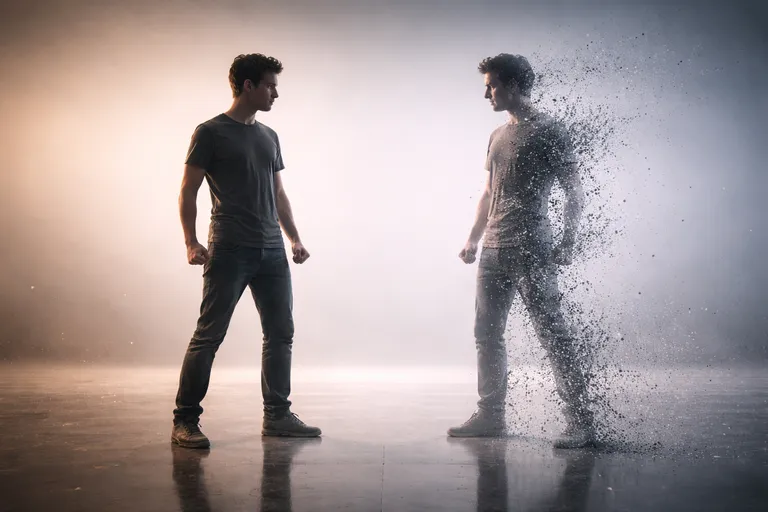
If the transformation in the dream had the quality of fighting something rather than dying into it — if the change required a confrontation rather than a surrender → dream about fighting a dead version of yourself meaning — when transformation isn’t a passage but a battle between what was and what is trying to become