Dream Symbols and Their Spiritual Meanings (Complete Guide)
The snake in your dream was in someone else’s dream six thousand years ago.
Different bed. Different language. Different continent. Different century. Same snake — waiting in the same way, in the same interior space, carrying the same charge. They woke with the same residue you’re waking with now. They reached for the same explanation. They found the same thing in it.
This is the first thing to understand about dream symbols: you didn’t generate them. You inherited them.
The water that overwhelms, the teeth that fall, the ground that gives way, the pursuer that never fully arrives, the death that transforms, the numbers that insist — these symbols predate every culture that has ever tried to interpret them. They appear in ancient Egyptian dream papyri, in Mesopotamian omen tablets, in Indigenous Australian dreamtime stories, in Greek dream-temple records, in medieval European manuscripts — and in the dreams of people who had never heard of any of these traditions. The same images. The same approximate meanings. The same emotional architecture.
What you dreamed last night is part of the oldest language humans have ever spoken.
Quick Answer
- Dream symbols are not invented by any culture — they emerge from the human nervous system itself, which is why the same symbols appear across all cultures independently
- The symbol is never the message — it’s the carrier. The message is always personal.
- A symbol’s spiritual meaning is what it carries across all times and all people; its psychological meaning is what it’s carrying specifically for you, now
- The five most universal dream symbols — water, falling, pursuit, teeth, and death — each correspond to a specific category of human experience that exists in every life
- Reading your dream’s symbols means learning a language you already speak fluently but have never been formally taught
Common Dream Symbols at a Glance
Water → the state of the emotional medium; how turbulent, clear, deep, or overwhelming the inner life currently is
Falling → something load-bearing has stopped holding; the specific experience of the ground being less reliable than assumed
Being chased → something avoided is pursuing; the pressure of something that requires a response you haven’t given
Teeth → the apparatus of social presentation and personal expression; what holds you together in front of others
Death → a genuine ending; something complete, irreversible, and total in waking life being registered as finished
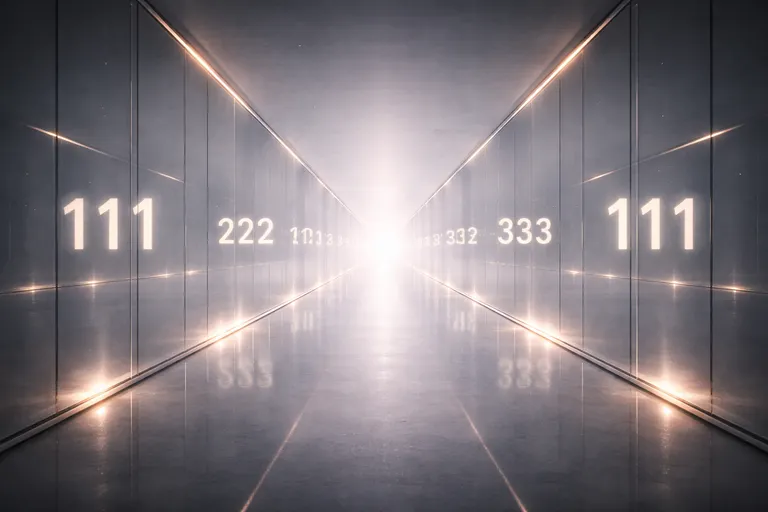
Numbers → precision; the brain choosing the most exact symbol available for a pattern it needs you to notice
Snakes → something present and aware that you haven’t yet decided what to do about; attention before decision
Houses → the self as a structure; what rooms are open, locked, collapsed, or undiscovered tells you about the current state of different aspects of your life
What Your Body Already Knows
The specific symbol is already in the body before the mind names it → the physical response (chest, stomach, throat) came before the cognitive recognition; the body read the symbol
The feeling that the dream was saying something specific, not random → that sense is correct; dream symbols are not noise; they are the brain selecting with intention
The image that stays most clearly after waking → the symbol that persists is the one that was carrying the most current charge; the persistence is calibration
The recognition when you look it up → the moment you read a symbol’s meaning and feel “yes, that’s it” — you recognized something already known, not discovered something new
Why the Same Symbols Appear Everywhere
This is the question that should produce a genuine pause.
If dream symbols were cultural artifacts — invented by one tradition, borrowed by another, spread through contact and exchange — then different isolated cultures would have different symbols. The symbols of Australia, untouched by Eurasian civilization for fifty thousand years, would be different from the symbols of ancient Sumer. The dream vocabulary of indigenous North Americans would be distinct from that of medieval Christians.
They’re not.
Not identical — context and emphasis vary. But the core symbols are consistent. Water means something about the flow of inner life. The ground giving way means something about foundation and security. The pursuer means something about avoidance. The encounter with death means something about endings and transformation. These meanings appear independently, in cultures that had no access to each other, in human minds that shared only their biology.
You wake with the image of water — black, deep, without visible bottom. You’ve never studied Jungian psychology. You’ve never read ancient Egyptian dream texts. And yet the response in your body is the same response that someone had to the same image seven thousand years ago. Not because the meaning was taught to you. Because you have the same nervous system they had. Because the human experience of something deep and dark and unbottomed — in water, in waking life, in the interior — produces the same response in the same architecture.
This means something significant: dream symbols are not arbitrary assignments. They are correspondences — places where a specific type of waking experience and a specific type of dream image consistently find each other across all of human history, because the experience and the image share the same emotional structure.
Water corresponds to the emotional medium because emotion and water share real properties: they have volume, pressure, temperature, depth, turbulence, clarity. Falling corresponds to loss of security because the nervous system’s response to physical falling and the response to losing a psychological foundation use the same architecture. Teeth correspond to social presentation because teeth are literally the most visible structures of self-presentation, the ones we show in the specific way we show them.
The symbols are not metaphors that someone invented. They are genuine correspondences that the human nervous system keeps discovering on its own.
What Makes a Symbol “Spiritual”
There’s a word in the title of this article that deserves direct attention: spiritual.
It would be easy to interpret this as “belonging to one spiritual tradition or another.” As coded messages from the divine, or angelic communication, or the universe sending guidance. Some people experience dream symbols this way, and the experience is genuine and worth respecting.
But there’s another meaning of spiritual that is equally available and perhaps more precise: pertaining to the level of experience that is beyond individual psychology.
A symbol is spiritual, in this sense, when it operates at a level that precedes any individual’s personal history. Your specific fear of losing teeth is psychological — rooted in your particular experience, your specific social environment, your individual history with presentation and judgment. But the fact that humans across all cultures and all times have generated the teeth-falling-out dream in response to social anxiety about how they appear to others — that is something prior to individual psychology. That is the symbol operating at the level of human experience itself.
You have the dream and it feels personal. It is personal — the specific relationships, the specific context, the specific configuration of what’s at stake for you is uniquely yours. But the symbol the brain reached for is not yours. It’s everyone’s. The dream is speaking to you through a language that belongs to the whole of human experience, selecting the symbol that corresponds to your situation from an archive that was never just yours.
This is what “spiritual” means in dream symbols: they are the places where your individual experience connects to the larger pattern of what it means to be human. Where your personal life touches the universal territory.
That connection — between the personal and the universal — is what gives dream symbols their specific quality. Not just psychological information. Not just personal processing. A message delivered in a language that has been spoken since humans first dreamed.
The Five Primal Symbols
Across every tradition, every culture, every century of recorded dream interpretation, five symbols appear with the greatest frequency and the greatest consistency. These are the primal symbols — the ones closest to the bedrock of human experience.
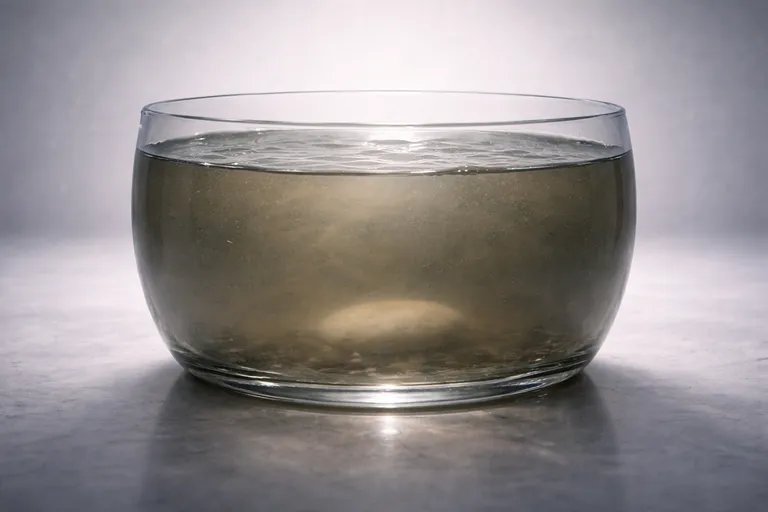
Water — the medium of emotional life. Every tradition treats water as the substance of the inner world: emotions, the unconscious, the flow of what is felt. This is not arbitrary. Water and emotion share real structural properties. What water means in a specific dream depends on its quality — its temperature, depth, clarity, current — but the correspondence between water and the inner life runs through every tradition that has ever tried to systematize dream meaning.
Falling — the failure of the ground. Every human knows the reflexive terror of the loss of footing. The nervous system wired this response before culture existed. When falling appears in a dream, the tradition is universal: something that was providing support has stopped providing it. The specific ground — what gave way, how, from how high — is personal. The symbol’s meaning is shared.
Pursuit — the thing you have been avoiding. In dreams where something chases you, the universal reading is consistent: the pursuer is not primarily a threat. It is something unaddressed. Something requiring a response you have been withholding. The nature of the pursuer tells you what has been avoided.
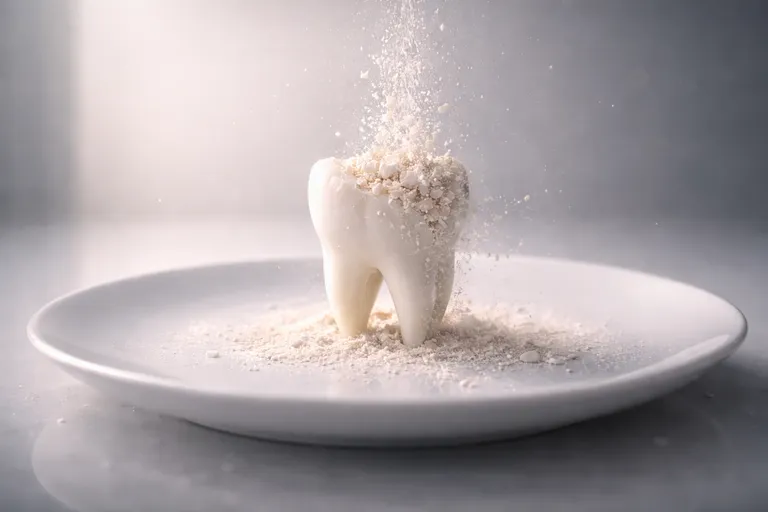
Teeth — the structures of social self-presentation. The most-reported dream across all sleep research, all demographics, all cultures. Teeth are how humans show themselves to others in the most literal sense: the smile, the voice, the presentation that is based in the body’s most visible front-facing surface. When teeth fail in dreams, something about how you present and hold yourself in relation to others has become unsustainable.
Death — the complete ending. Every tradition uses death in dreams as transformation and completion rather than prediction. Not because traditions collectively decided to be kind about it — because the consistent experience is that death in dreams corresponds to genuine psychological endings, not physical ones. Something is complete. The form that was running will not continue.
These five have been in human dreams as long as humans have been dreaming. They were in your ancestors’ dreams. They will be in your descendants’ dreams. You are dreaming in their language tonight.
The Personal Layer: What the Symbol Is Carrying for You
Universal meaning is the foundation. Personal meaning is the building.
A symbol’s cross-cultural, cross-historical meaning gives you the category: water = emotional medium. Falling = loss of support. Pursuit = something avoided. Teeth = social presentation. Death = genuine ending.
Your personal experience gives you the specific content within that category. Which emotional medium — which area of your life has the quality of water? What specifically gave way — what foundation did you think you were standing on? What specifically have you been avoiding — what has been pursuing you through the corridors of your current life?
The symbol is the key. Your specific situation is the lock.
You have the falling dream and you know it means something about security and support. That’s the universal layer. But which specific ground gave way? The job that’s been less stable than you’ve been acknowledging? The relationship whose foundation has been shifting for months? The version of yourself that was supposed to be holding by now? The universal meaning gives you the category. You already know the specific content — the one that produces the physical response when you read that sentence.
This is how symbol interpretation actually works: not as a lookup in a universal dictionary, but as a combination of a known key (the symbol’s cross-cultural meaning) and a personal response (the specific content your nervous system recognizes when it reads the key).
The “yes, that’s it” feeling — the recognition that arrives when a symbol’s meaning is accurately described — is the nervous system locating the correspondence between the universal key and the personal lock. You’re not learning what the symbol means. You’re confirming what you already knew it was pointing at.
How to Actually Read Your Dream’s Symbols
The standard approach to dream symbol interpretation is sequential: find the symbol, look up its meaning, apply it to your situation. This approach misses most of the information.
The actual process works differently.
Start with the body, not the symbol. Before you name what you dreamed, notice what the dream left in your body. Where is the residue? Chest, stomach, throat, hands? The physical location is information that precedes and often exceeds the symbolic content.
Notice the emotional register before the narrative. What was the feeling tone of the dream — not what happened, but how it felt? Fear, grief, peace, confusion, urgency, release? The emotional register is what the symbol was carrying for you specifically.
Ask what the symbol is doing, not what it is. The snake is not important as a snake. It’s important as whatever it was doing in the dream — waiting, pursuing, transforming, threatening, offering. The action is the content.
Follow the thing that won’t dissolve. Of all the elements in the dream, one or two will stay clear after waking while others fade. That persistence is the brain’s own highlighting. The symbol that stays is the one that was carrying the most active charge.
You try to reconstruct the dream and most of it has already dissolved — the setting, the narrative, the other figures. One thing stays. The image of the snake in the water, the snake that knew you were there before you knew it was there. You don’t have to analyze the rest of the dream. That image is already what the dream wanted you to carry.
The symbol that persists is the message. Everything else was the envelope.
Why “Spiritual” Means More Than Symbolic
Here is something the standard framing of dream symbol interpretation never quite names.
The fact that these symbols are universal — that they appear independently across all cultures, that they’ve been generating the same responses in human beings for millennia — means something about the nature of human experience that no individual psychology can contain.
It means that when you dream, you are not only processing your individual situation. You are also participating in the accumulated experience of your species. The water in your dream has carried everyone else’s version of this feeling. The falling has registered everyone else’s version of this instability. The death has processed everyone else’s version of this ending.
You are not dreaming alone.
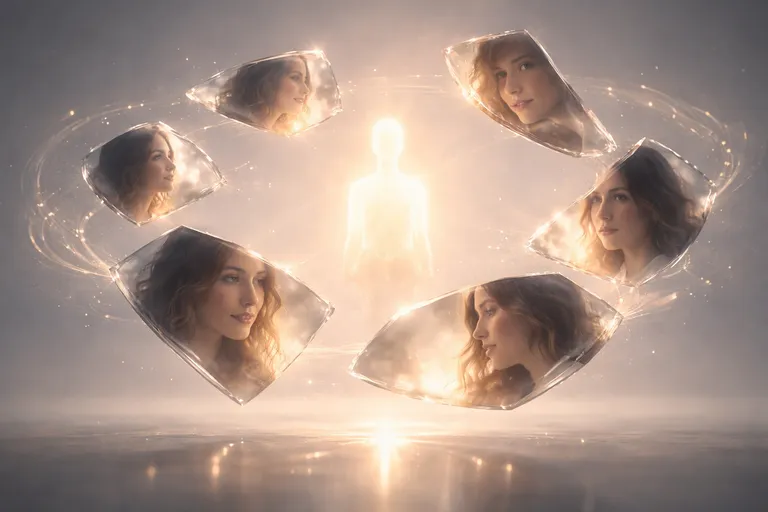
The spiritual dimension of dream symbols is this: they are the places where your individual experience touches the experience of all the humans who have lived before you, all the humans living now, all the humans who will live after. The symbol connects you to a lineage — not of your family, not of your culture, but of your species.
You wake with the image of falling and you think it’s about your job, or your relationship, or your sense of yourself right now — and you’re right, it is. And it’s also about every person who has had this image in every era of human history. They too woke with the ground having given way. They too reached for what had been holding them. They too felt the specific weight of support that proved temporary. You are not unique in this. You are continuous with them.
That continuity — between your dream and theirs, between your experience and the universal experience — is what the word spiritual is trying to name.
When This Dream Arrives
A strong symbolic dream arrives when something in your waking life has crossed the threshold of what ordinary language can carry → the dream reaches for the deeper vocabulary because the situation requires it
Recurring symbolic dreams arrive when the situation is still running → the symbol keeps returning because its subject keeps being true; it will stop when the situation changes
A symbol you’ve never had before arrives when something genuinely new has entered your life → the brain reaching for the image that corresponds to an experience it hasn’t needed to process before
Why Dream Symbols Have Spiritual Weight — The Psychology Behind It
The same dream symbols appear across all cultures because they are generated by the same nervous system. The human brain, wherever it exists, has the same architecture. The same threat systems, the same attachment systems, the same systems for processing loss and transformation and social evaluation.
When those systems generate dream symbols, they reach for images that have the same structural properties as the experiences they’re processing. Water for emotion because they share the physics of flow and depth. Falling for security because they share the neurological architecture of balance loss. Death for endings because they share the quality of irreversibility.
The symbols aren’t spiritual because they were assigned by a spiritual tradition. They’re spiritual because they operate at a level deeper than any individual psychology — at the level of what it means to be this kind of creature, in this kind of body, with this kind of nervous system, living this kind of life.
The tradition just noticed what was already there.
The Sentence This Dream Was Trying to Say
You are dreaming in a language that was here before you — and it has been trying to tell you something specific, in exactly the words it always uses.
The Morning After
The image is still there. Whichever one stayed — the water, the falling, the pursuit, the teeth, the death, the snake, the number that kept appearing. It stayed because it was carrying something real.
Before the day translates it into something manageable: feel for a moment the specific quality of what it was carrying. Not the analysis. The felt sense. The body’s recognition before the mind’s interpretation.
You have access to the oldest diagnostic system humans have ever used. It ran last night. It used a symbol that has been running since before written language. And it was specifically, precisely, undeniably about something real in your current life.
The symbol is universal. What it was pointing at is yours.
FAQ
What are dream symbols and why do they have spiritual meanings? Dream symbols are images the brain selects to represent specific categories of human experience. They have spiritual meanings because the same symbols appear independently across all cultures and all of human history — not because one tradition exported them, but because they emerge from the human nervous system itself. Water, falling, death, teeth, pursuit — these appear in ancient Egyptian dream texts, in indigenous Australian traditions, in medieval European manuscripts, and in the dreams of people who’ve never studied any of these. The “spiritual” dimension is this: these symbols operate at a level deeper than any individual psychology, at the level of what it means to be human. They connect your individual experience to the accumulated experience of your species.
How do I know what a dream symbol means for me specifically? A symbol’s cross-cultural meaning gives you the category. Your specific emotional response gives you the content. When you read that water represents the emotional medium, and something in your body says “yes, that’s the feeling from the dream” — you’re not learning the meaning, you’re confirming what you already knew. The “yes, that’s it” recognition is the nervous system locating the connection between the universal key and your personal situation. Start with the body: where is the physical residue of the dream? That location is the most specific information available, before any analysis begins.
Why do the same symbols appear in dreams across all cultures? Because the same nervous system generates them. The human brain has the same architecture everywhere — the same threat-detection systems, the same attachment systems, the same systems for processing endings and transformation and social evaluation. When those systems generate images, they reach for what has the same structural properties as the experience being processed. Water and emotion share the physics of flow and depth. Falling and security loss share the neurological architecture of balance loss. Death and genuine endings share irreversibility. The symbols aren’t arbitrary — they’re correspondences. And because they’re correspondences rather than assignments, they keep appearing independently in every culture that dreams.
Are dream symbols the same for everyone? The symbol is universal. The content is personal. The falling dream means something about the loss of support for everyone who has it — but which specific ground gave way is different for each person. The snake means something about something present and unaddressed for everyone — but what specifically has been unaddressed is personal. Dream interpretation works by combining the universal meaning (the category) with the personal response (the specific content). The symbol is the shared vocabulary. Your life is the specific sentence it’s being used to say.
Next Stages
If the symbol in the dream was specifically about numbers — if precision was the quality → the number layer of dream symbolism: numbers in dreams meaning 111, 222, 333 — when the brain reaches for its most exact instrument
If the symbol was death in any form — yours, someone else’s, something abstract dying → the ending layer: death in dreams meaning — when the symbol is the brain’s certificate of completion
If the symbol was specifically about your teeth — the social presentation, the expression apparatus failing → the presentation layer: teeth breaking in dream meaning — when the symbol is the body’s own instruments of showing yourself to the world